(updated for 2026)
Presenting the best extinguisher for your car. Many makers of vehicle fire extinguishers would have you believe a traditional extinguisher is the best option for a car fire. It's not. The Element E50 is the world's smallest and longest lasting fire extinguisher rated for ABC & K fires. The E50 is up to 80% smaller and discharges 5 times longer. It also won't cause additional damage to your car like the liquid or powder fire extinguishers on the market for small fires.
| ⭐⭐⭐⭐⭐ The best purchase iv made for the car. - Duane R. |
⭐⭐⭐⭐⭐ Your extinguisher saved my tail when I was driving my ‘57 Chevy Truck - Melissa M. |
⭐⭐⭐⭐⭐ |
Safely Fits Inside Your Car
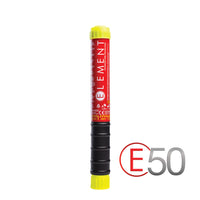
Element E50 fire extinguisher is just 10.75" tall, 1.2" in diameter, weighs 0.5 lbs and has a discharge time of 50 seconds minimum. Compare that to the 2.5-pound extinguisher that weighs 4.5 times more than the E50 and might last for 11 seconds. It's 16" tall and more than double the diameter of the E50 at 3". There is no way that can fit in your glove box, console, or door pocket. That means it's likely buried somewhere under your driver's seat, or worse, where you'll need to find it in your trunk.
The E50 car fire extinguisher fits anywhere you want it.

While the size alone makes Element E50 the best fire extinguisher for your car, the E50 will also not damage your car further. No corrosive powder, no damaging liquids, just an eco-friendly, non-toxic vapor that disrupts the chemical reaction of fire to extinguish. It is a clean vapor that leaves no residue after extinguishing the fire.
Types of Fire
Let's face it, cars are flammable. A four stroke V-6 engine sparks 3 fires per revolution. Idling at 1,500 RPM, that is 4,500 explosions per minute. There are also a lot of flammable liquids in cars. Brake fluid, transmission fluid, steering fluid and gasoline, of course, are all flammable. With enough heat, even fire-resistant materials will catch on fire. See the Fire Tetrahedron for more. Classes of fire are defined by the type of fuel they burn.
Class A Fires
Class A fires burn ordinary fuels like paper, wood, cloth, rubber, and many plastics. They have embers and will leave ash when the fuel is consumed. Water can be effective at extinguishing a class A fire, but water can cause a lot of damage to a car.
Class B Fires
Class B fires involve flammable liquids. Lots of flammable liquids come with a vehicle. From the gas, oil, steering and other fluids, they all burn. Lacquers, alcohols and gasses are included in this high fire hazard class. Water will not work on Class B and C fires.
Class C Fires
Class C fires are energized electrical fires involving Class A and Class B fuels. Water is extremely dangerous since it conducts electricity and will not extinguish B class fuels. Many of the fire extinguishers used are quite toxic and cause additional damage.
The best type of fire extinguishers for cars are rated for ABCK class fires.
The Best Fire Extinguisher For Cars
The best car fire extinguisher is one that will fight all the common car fires (ABC) and be small enough to fit anywhere. That makes the E50 the best small extinguisher to have on hand in case of a fire. When it comes to fire extinguishers, they are a key component of your car safety equipment. Traditional refillable canister style extinguishers expire, need recharging, can roll around which can dislodge the pressure gauge or even cause it to discharge by accident.
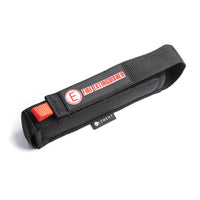
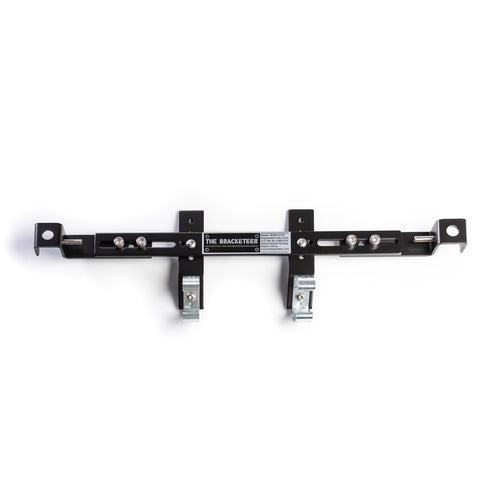
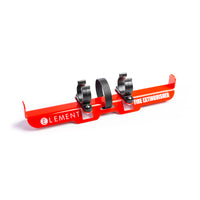
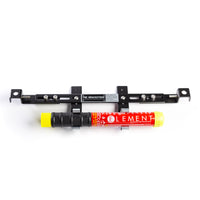
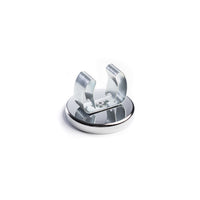
The Element E50 is a multipurpose ABC fire extinguisher that has a wide array of vehicle mounts and mounting brackets to safely attach under your passenger seat or on the roll bars of your 4x4. Keeping a big, loose fire extinguisher can cause additional safety issues if it were to roll under your brake pedal, leak or fail. Hopefully you never have to use it but if you do, the Element E50 provides the best fire safety for your car.

Car Fire Extinguisher FAQ
What should I look for in a fire extinguisher?
You want a small ABC extinguisher that isn't rechargeable (so it's always ready when you need it), easy to read, use and won't leak onto any part of the car. You'll also want to make sure it won't cause additional damage to your vehicle, be corrosive or cause you illness if you were to breathe some in (like halotron).
Is a powder or foam fire extinguisher best for cars?
No! Powder and foam extinguishers can cause additional damage to your car's metals and fabrics. Element's Potassium Ion vapor will dissipate without leaving a harmful residue.
Can ABC fire extinguishers be used on a car?
Yes. ABC fires are the most common types of fires in cars.
What is the best fire extinguisher for a car in 2026?
Element E50 of course! As the world's smallest ABCK fire extinguisher that will not cause additional damage. It's perfect for cars, trucks, RVs, ATV, motorcycles, dune buggies, and pretty much anything with wheels and an engine.
Should you keep a fire extinguisher in your car?
Yes. The NFPA reports over 100,000 car fires per year in the United States. That isn't a high percentage of car fires, but they happen. It's better to be prepared, especially when the E50 fits almost anywhere.
How long do car fire extinguishers last?
The Element E50 never expires. Canister extinguishers often require annual inspections, recharging, and can expire after 6 years.
Can you store a fire extinguisher in a hot car?
Element has been tested to work effectively in temperatures from -58F to +176F. Element's solid construction and no moving parts makes it unaffected by harsh environments or humidity. Element can also safely be stored in damp and wet environments, provided that the yellow cap covering the tip stays present allowing the tip to remain dry.
Protect your vehicle with the smallest ABC fire extinguisher that will never need recharging or inspection.
Element E50 is the Best Car Fire Extinguisher